Morpheus8 vs. Sculptra vs. Microneedling (Skin Tightening vs. Volume)

Morpheus8 vs. Sculptra: What Do They Actually Treat?
Morpheus8 and Sculptra are both collagen-stimulating treatments, but they address different concerns.
Morpheus8 is designed to improve skin firmness, texture, and mild laxity by tightening and remodeling existing tissue. Sculptra works deeper in the structure of the face by stimulating your body to gradually rebuild lost collagen and restore volume.
Some patients benefit from one. Some benefit from both. The right answer depends on what your skin is actually doing, and a provider who can assess both concerns in the same conversation.
What Is Morpheus8?
Morpheus8 is a radiofrequency microneedling treatment. It combines two technologies that work together to remodel the skin.
Very fine needles create controlled microchannels in the skin. At the same time, radiofrequency energy is delivered into deeper layers where collagen is formed. This combination encourages the skin to contract, tighten, and rebuild structural support as it heals.
Rather than adding volume, Morpheus8 improves the quality of the tissue you already have.
It is commonly used for:
- Skin laxity along the jawline and neck
- Crepey or thinning skin
- Fine lines and early sagging
- Texture irregularities like acne scarring
Morpheus8 is FDA-cleared for soft tissue coagulation. It is widely used for aesthetic skin tightening, but results vary based on anatomy, treatment settings, and provider technique.
What Is Sculptra?
Sculptra is an injectable collagen biostimulator used to restore facial volume over time.
Its active ingredient, poly-L-lactic acid (PLLA), has been used safely in medicine for decades. Once injected, it encourages a controlled healing response that signals your body to produce new collagen in the deeper layers of the skin.
Sculptra produces gradual improvement by stimulating your body’s collagen production over time. As new collagen develops, the skin gains structural support and volume that looks and feels natural.
This makes it especially useful for:
- Hollow cheeks
- Temple hollowing
- Midface volume loss
- General facial deflation
Results develop slowly over several months, with most patients seeing progressive improvement between three and six months. When completed as a full treatment series, results commonly last two years or longer.
Sculptra is FDA-approved for facial volume restoration and lipoatrophy correction.
Can Morpheus8 and Sculptra Be Done Together?
Yes. Because the two treatments address different aspects of facial aging, they’re often combined as part of a comprehensive treatment plan.
Morpheus8 focuses on skin tightening and collagen remodeling in the deeper layers of the skin, while Sculptra gradually restores collagen-based structural support in areas affected by age-related volume loss. For patients experiencing both skin laxity and facial deflation, treating both concerns can create a more balanced result than relying on either treatment alone.
The timing and sequencing of Morpheus8 and Sculptra together depend on your anatomy, treatment goals, and your provider’s recommendations. During your consultation, we’ll determine whether one treatment should come first or whether combining both makes the most sense for your plan.
Where Does Standard Microneedling Fit In?
Standard microneedling is the foundation of collagen induction therapy.
It uses fine needles to create controlled micro-injuries in the skin, which stimulate collagen production at a more superficial level. This makes it especially effective for improving skin texture, acne scarring, mild pigmentation, and overall skin tone.
Morpheus8 builds on this concept by adding radiofrequency energy, which allows it to reach deeper layers where skin laxity develops. For patients with only surface-level concerns, standard microneedling may be enough. When laxity becomes more noticeable, Morpheus8 is often the more appropriate next step.
| Morpheus8 | Sculptra | Standard Microneedling | |
| How It Works | Radiofrequency energy delivered through microneedles; remodels tissue and stimulates collagen | Injectable biostimulator that rebuilds collagen over time | Controlled micro-injuries stimulate surface collagen |
| Best For | Skin laxity, texture, fine lines, mild sagging | Volume loss, facial hollowing, loss of structural support | Surface texture, tone, mild scarring, pigmentation |
| Sessions Needed | Typically 1 to 3, depending on concern and severity | Typically 2 to 3 sessions spaced 6 to 8 weeks apart | Typically 3 to 6 sessions depending on concern |
| When Do Results Appear | Gradual over 3 to 6 months as collagen remodels | Gradual over 3 to 6 months as collagen builds | Initial improvement is commonly noticed within a few weeks, with continued collagen remodeling over the following months. |
| Longevity | Results commonly last 1 year, with a recommended maintenance treatment at the 1-year mark | Results commonly last 2 or more years | Results typically last several months; maintenance recommended |
| Ideal Candidate | Patient with skin laxity, textural concerns, or mild sagging | Patient with volume loss, facial hollowing, or deflation | Patient with surface texture concerns, mild scarring, or pigmentation |
| Downtime | 2 to 5 days of redness and swelling; social downtime varies | Minimal; some swelling and bruising at injection sites | 1 to 3 days of redness and mild sensitivity |
| Price Range | Initial treatment of 3 sessions: $3,600 for face and neck. Per treatment cost is $1,500 (members save more). | Starting at $1,800 for full face. Starting at $900 for smaller areas (mid-face or temples). | Treatment sessions vary between $499 – $800 (with PRP) |
Which Treatment Fits Your Goals?
The comparison above highlights how each treatment stimulates collagen in a different way, but the best option depends on what’s changing in your skin.
If you’re noticing loose skin, Morpheus8 may offer the most benefit. If facial volume has gradually diminished, Sculptra is often the better fit. When texture, acne scars, or enlarged pores are the primary concern, standard microneedling may be all that’s needed.
Many patients don’t fall neatly into just one category, which is why consultations focus on identifying the underlying cause of the concern before recommending a treatment plan.
Can You Combine Morpheus8 and Sculptra?
Yes, and in many cases they complement each other well.
It is very common for patients to experience both volume loss and skin laxity simultaneously. When that happens, a single treatment may not fully address the changes.
Sculptra restores structure where the face has lost fullness. Morpheus8 improves the firmness and quality of the skin that sits over that structure. Together, they address two different layers of facial aging.
At Vitality Aesthetics, treatment planning always starts with a full assessment of skin quality and facial volume before deciding whether a single treatment or a combination approach makes the most sense.
Who Is a Good Candidate for Each Treatment?
Morpheus8 is often well-suited for patients in their mid-30s and older who are noticing changes in skin firmness, texture, or definition along the jawline and neck. It is also commonly used for body concerns like laxity on the abdomen or inner arms. Patients with darker skin tones should discuss their skin profile with a provider, as radiofrequency microneedling requires careful technique to minimize risk.
Sculptra is well suited for patients experiencing facial volume loss, particularly in the cheeks and temples. It is a gradual treatment that rewards patience, which makes it a good fit for patients who prefer subtle, natural-looking results that develop over time rather than immediate change.
Standard microneedling is a good entry point for patients focused on surface concerns: acne scarring, uneven texture, mild pigmentation, or general skin quality. It is also a useful maintenance treatment for patients who have addressed laxity and volume concerns and want to maintain skin health over time.
How to Decide Between Morpheus8 and Sculptra
Morpheus8 and Sculptra are both effective, well-established treatments, but they solve different problems.
Morpheus8 improves skin firmness, texture, and mild laxity by remodeling the structure of the skin you already have. Sculptra restores lost facial volume by encouraging your body to rebuild collagen over time.
Neither treatment is “better” in general. The right choice depends on what is actually changing in your skin. Some patients are dealing primarily with laxity. Others are noticing volume loss. Many experience both at the same time.
If you are researching Morpheus8 near me or trying to figure out whether Sculptra or Morpheus8 is the better fit, the best next step is to have a conversation with a provider who can assess your concerns directly.
Ready to figure out which treatment is right for you?
Choosing between Morpheus8 and Sculptra starts with understanding what’s causing the changes you’re seeing. During your consultation, we’ll evaluate your skin quality, facial structure, and aesthetic goals to determine whether skin tightening, volume restoration, or a combination of both will give you the best result.
If you’re considering Morpheus8 or Sculptra in Haymarket or Northern Virginia, schedule a consultation with Vitality Aesthetics. We’ll answer your questions, explain your options, and create a treatment plan that’s personalized to your anatomy, goals, and timeline.
Book a Consultation
(571) 222-5530
Frequently Asked Questions
Morpheus8 is a radiofrequency microneedling treatment that improves skin firmness, texture, and mild laxity by remodeling existing tissue. Sculptra is an injectable collagen biostimulator that restores lost facial volume by stimulating your body to produce new collagen over time.
They are designed for different concerns and are not interchangeable. Some patients benefit from one treatment, while others benefit from both.
Yes. When both volume loss and skin laxity are present, combining Morpheus8 and Sculptra can create a more complete result.
Sculptra restores the underlying structure, while Morpheus8 improves the skin’s quality and firmness. Because they work at different levels, they can complement each other when used as part of a coordinated treatment plan.
A consultation is the best way to determine whether a combined approach makes sense for your goals.
We recommend starting with 3 sessions to provide visible results, followed by maintenance sessions of 1 treatment per session per year, as needed.
Your provider will recommend a plan based on your skin quality, goals, and how your tissue responds over time.
Sculptra results commonly last two years or longer after completing a full treatment series.
Because it works by stimulating your body’s own collagen production, results develop gradually and tend to be longer-lasting than traditional fillers.
Most patients experience redness, swelling, and mild sensitivity for about two to five days after treatment. You can start wearing makeup to cover some of the redness 24 hours after treatment. Vitality Aesthetics always provides the needed skincare aftercare to accelerate your healing.
The exact downtime depends on treatment intensity and individual healing response. Your provider will give you a clear expectation based on your specific plan.
The most accurate answer comes from an in-person consultation.
Skin laxity and volume loss can look similar at first glance but require different approaches. A provider who evaluates both together can recommend a treatment plan that matches what your skin actually needs rather than a general guideline.
© Copyright 2025 Vitality Aesthetics, Inc. All rights reserved | Design by S&G
Like us on Facebook
Checkout stunning before/afters on Instagram
connect
hello@vitality-aesthetics.com
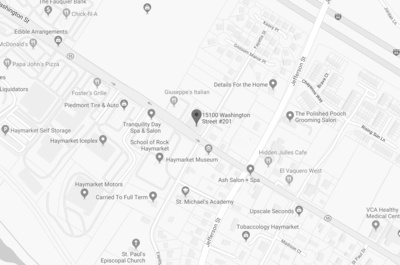
15100 Washington St. Suite 201. Haymarket, VA 20169
571.222.5530 M-F 9am-7pm